The Future of Broadcasting: Trends and Innovations You Need to Know
The landscape of broadcasting is undergoing significant transformation. Streaming services are reshaping viewer engagement through personalized content and interactive features. As viewers continue to embrace digital platforms, traditional broadcasting confronts significant hurdles. Innovations such as augmented reality and artificial intelligence promise to enhance the viewer experience. This evolution raises questions about the skills necessary for future broadcasters. What implications do these trends hold for the industry's future?
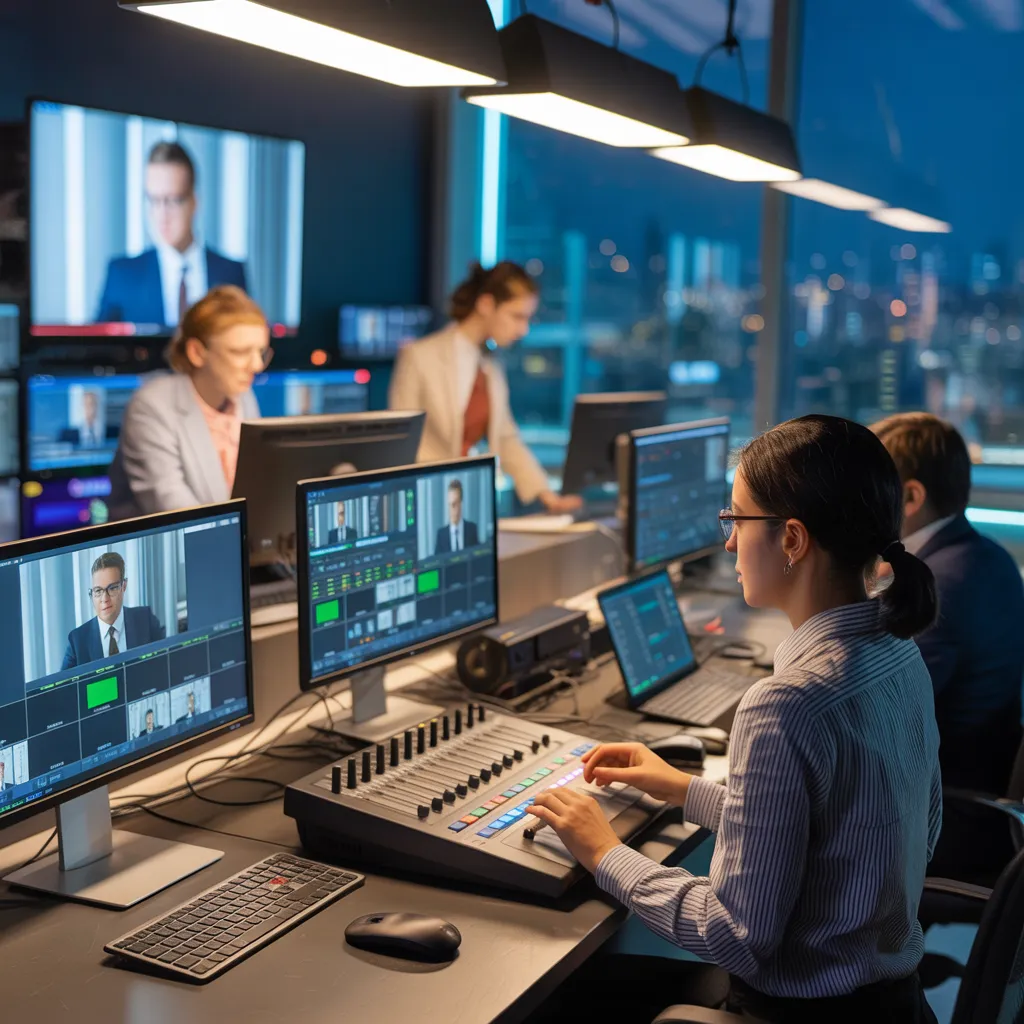
How Streaming Platforms Are Transforming Viewer Engagement
As streaming services continue to proliferate, they are dramatically changing viewer engagement by offering personalized content experiences. By employing sophisticated algorithms, these platforms study user habits and preferences to provide customized suggestions, which significantly improves viewer satisfaction. This transformation allows audiences to discover content that aligns with their interests, thereby fostering a more immersive experience.
Moreover, streaming services prioritize interactive features, enabling viewers to interact with content through features like live discussions and social platform integration. This creates a sense of community among users, converting passive watching into meaningful interaction. Moreover, the on-demand aspect of streaming services enables marathon watching, further deepening viewer involvement.
As a result, the established viewer experience is evolving; audiences are not simply merely passive consumers but active contributors in their content journey. This broadening of access to content marks a significant shift in how content is consumed and interacted with in the modern digital landscape.
Why Traditional Broadcasting Is Giving Way to Digital Platforms
The transition from traditional broadcasting to digital streaming platforms is a result of changing viewer preferences that favor content available on demand. The emergence of streaming services has revolutionized how viewers engage with media, delivering greater flexibility and diverse choices. Additionally, improved interactivity tools connect with viewers in ways that traditional formats cannot match.
Changing Audience Tendencies
As traditional broadcasting once ruled the media landscape, a major move toward digital platforms is redefining viewer preferences. Viewers are increasingly drawn to on-demand content, allowing them to watch shows and movies at their convenience. This flexibility contrasts sharply with the rigid schedules of traditional television. Moreover, viewers are increasingly seeking personalized experiences, where algorithms curate content tailored to individual tastes. Social networking platforms additionally fulfill a vital purpose, allowing audiences to interact with content and creators firsthand. The expansion of mobile viewing has further affected audience preferences, as audiences seek entertainment that fits their lifestyles. As a result, traditional broadcasting struggles to retain its audience, forcing broadcasters to evolve or face irrelevance in a changing media landscape.
Emergence of Streaming Services
Viewer preferences are increasingly shaped by the accessibility and allure of streaming services, which offer a compelling alternative to traditional broadcasting. As consumers look for convenient and instant entertainment, services like copyright, Hulu, and Amazon Prime have established themselves as major contenders. These platforms offer extensive collections of content, enabling linked article viewers to choose what to watch and when to watch it, free from rigid timetables. The emergence of proprietary productions produced by these services has further intensified competition, drawing audiences away from traditional broadcasters. Additionally, subscription-based formats typically exclude commercial interruptions, improving the overall entertainment experience. Consequently, traditional broadcasters face challenges in retaining audiences, prompting many to react by launching their own on-demand services to satisfy changing audience expectations.
Improved Interactive Features
More and more, people are being attracted to online platforms for their enhanced interactivity features, which conventional broadcasting fails to match. This movement empowers viewers to connect with programming in unprecedented fashions. Elements such as live polls, real-time comments, and personalized content recommendations generate a more captivating environment. Online platforms allow viewers to influence programming choices, fostering a sense of community and participation. Additionally, social media integration allows for real-time communication with content makers, continuing to dissolve the distinction between producers and viewers. As demand grows for these dynamic interactions, conventional broadcasters struggle to reshape their approaches and methodologies. Ultimately, the demand for engagement will likely continue to drive audiences away from conventional broadcasting toward more dynamic digital alternatives.
How Augmented Reality Is Changing the Face of Broadcasting
Augmented reality (AR) is transforming the broadcasting industry by enhancing viewer engagement through immersive experiences. By embedding real-time data directly into broadcasts, AR engages audiences while delivering a deeper comprehension of the content. This technological advancement not only attracts viewers but also transforms how information is presented and consumed.
Enhanced Viewer Engagement
Revolutionizing the landscape of broadcasting, augmented reality (AR) is revolutionizing how audiences interact with content. By embedding virtual elements into live transmissions, AR generates captivating experiences that captivate viewers. This technology enables users to interact with programs in real-time, improving their comprehension and satisfaction. As an example, sports programming utilize AR to display player data and statistics, making the viewing experience more dynamic. Moreover, AR supports interactive elements, such as quizzes or polls, fostering viewer engagement. As broadcasting companies increasingly adopt AR, they are not only enhancing audience engagement but also building a sense of connection among viewers. This change represents a move towards a more interactive model, where viewers are no longer mere spectators but engaged contributors to the viewing experience.
Live Data Integration
As broadcasters adopt emerging technologies, real-time data integration emerges as a revolutionary factor in improving the viewer experience. By leveraging augmented reality, broadcasters can showcase real-time statistics, visuals, and interactive features that enhance narrative delivery. To illustrate, during live sporting broadcasts, viewers can observe player statistics overlaid on the action, providing context in real time. This integration allows for a more immersive experience, enabling audiences to engage with content dynamically. Moreover, AR can customize broadcasting experiences, adapting content to suit individual viewer preferences. Therefore, real-time data not only engages audiences but also cultivates a deeper connection between the audience and the content. This shifting environment indicates a bright future for the broadcasting industry, fueled by technological progress and audience-driven strategies.
The Role of Personalization in Content
Given that audiences progressively seek content that resonates with their personal tastes, the importance of tailored content in broadcasting has never been more critical. As digital platforms proliferate, viewers are overwhelmed by extensive quantities of content, making it crucial for broadcasters to tailor experiences that capture attention and foster engagement. Customized recommendations improve audience satisfaction by delivering relevant recommendations, thereby substantially boosting audience retention.
Additionally, data analytics serves a critical function in comprehending viewer behavior, empowering broadcasters to craft content that resonates with specific preferences and desires. This dynamic method not only strengthens viewer loyalty but also drives advertising effectiveness, as brands seek to connect with targeted demographics.
During a period when competition is fierce, leveraging personalization is not only helpful; it is essential for broadcasters striving to excel. By emphasizing tailored content, they are able to forge meaningful relationships and build a more engaged, satisfied audience.
What's Next in Broadcast Technology?
Emerging technologies are poised to revolutionize the media broadcasting sector, opening doors to increasingly engaging and dynamic viewer experiences. Innovations such as virtual reality (VR) and augmented reality (AR) are elevating the viewer experience, empowering audiences to interact with media content. In addition, developments in 5G technology deliver enhanced data throughput, facilitating uninterrupted high-definition streaming with reduced latency.
Artificial intelligence (AI) is further reshaping the broadcasting landscape by personalizing content recommendations and automating production processes. AI-driven analytics provide broadcasters with valuable insights into viewer preferences, fostering more targeted content strategies. Additionally, the integration of cloud-based solutions allows for greater flexibility and scalability in content delivery, accommodating the growing demand for on-demand services.
As these technologies continue to evolve, they will transform conventional broadcasting approaches, driving a movement toward more interactive and responsive media settings, ultimately enhancing the viewer experience. The future of broadcasting is ready to welcome these breakthroughs, opening doors for both content creators and viewers alike.
Fundamental Skills for Tomorrow's Broadcasters
The evolving landscape of broadcasting demands an updated range of capabilities for emerging professionals in broadcasting. Critical competencies include digital proficiency, as broadcasters must adeptly navigate various platforms and technologies. Competence in multimedia production is also critical, empowering them to produce captivating content across video, audio, and social media. Comprehending data analytics is vital, permitting broadcasters to assess audience engagement and refine content accordingly.
Furthermore, powerful storytelling skills are crucial, as engaging narratives resonate with viewers. Flexibility is another key quality, given the rapid pace of technological advancement and shifting audience preferences. Partnership abilities are vital for working in increasingly cross-disciplinary settings, where professionals work alongside graphic designers, data analysts, and marketing experts. Finally, a commitment to ethical journalism is paramount, ensuring that future broadcasters maintain integrity and trustworthiness in their reporting. These capabilities will enable them to excel in a rapidly changing broadcasting landscape.
Commonly Asked Questions
How Will AI Influence Content Creation in Broadcasting?
Artificial intelligence will reshape content creation in broadcasting by streamlining repetitive tasks, improving personalized experiences, and simplifying content production. This innovation empowers creators to analyze audience preferences, ultimately leading to more engaging and efficient content delivery.
What Role Does Social Media Play in Broadcasting's Future?
Social media strengthens the future of broadcasting by enabling instant viewer participation, expanding reach, and facilitating focused content sharing. It converts traditional broadcasting into a dynamic interactive medium, cultivating strong community ties and driving viewer retention.
What Risks Are Associated With Personalized Broadcasting?
Indeed, targeted broadcasting comes with inherent risks, including concerns over privacy, the formation of echo chambers, and biased algorithmic behavior. Such elements may restrict access to varied viewpoints, potentially leading to misinformation and strengthening preexisting views among specific audiences.
How Can Broadcasters Ensure Inclusivity in Future Content?
Broadcasters can achieve inclusivity by proactively connecting with diverse communities, gathering feedback, embracing varied viewpoints, and utilizing accessible formats. Sustained cultural competency education for creators likewise builds an environment that promotes representation and equality in all content.
What Skills Will Prove Critical for Audiences Going Forward?
In the years ahead, viewers will demand strong digital fluency skills, analytical thinking capabilities, and adaptability to explore diverse broadcasting platforms. Grasping content creation and data analysis will prove increasingly important for connecting meaningfully with evolving broadcasting landscapes.